
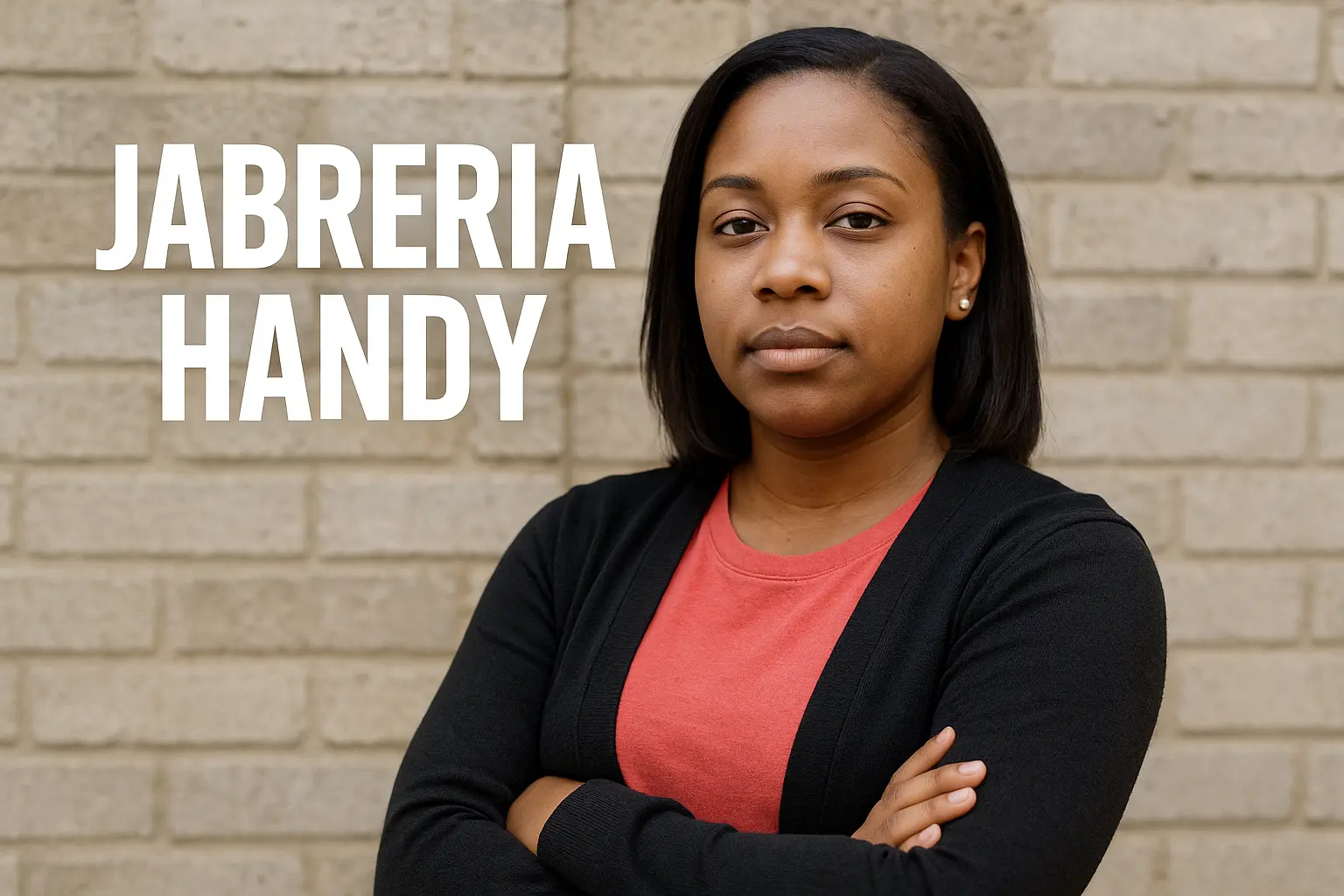
The name jabreria handy has become part of conversations about juvenile justice reform, automatic adult charging, and the human cost of how the justice system treats young people. Her experience being charged as an older teen, spending time in adult detention, and later speaking publicly about the harms she suffered helps readers grasp why policy choices matter and how individual lives are shaped by law and community response. This article walks through the background, personal impact, public significance, and practical lessons from jabreria handy story, aiming to inform readers, encourage thoughtful action, and center humane policy solutions.
The facts people refer to when they discuss jabreria handy
When advocates and journalists tell the story of jabreria handy, a few widely reported facts are always part of the narrative: she was charged as a juvenile who became processed in the adult system, she spent many months in adult custody while her case moved through the courts, and she ultimately accepted a plea and later participated in advocacy and task force work focused on juvenile justice. Those documented events including extended pretrial detention and later public testimony about how the experience affected her give her story credibility when cited in policy debates. Maryland Matters+2The Nation+2
Why the case matters: policy, practice, and human cost
The importance of jabreria handy’s story is less about a single legal outcome and more about what her experience illustrates. In some states, certain charges or age thresholds automatically route young people into adult courts. That shift removes juvenile-court protections designed to treat development, rehabilitation, and safety as priorities. The result can be lengthy stays in adult detention, exposure to harsh conditions, and a gap in age-appropriate support. Advocates point to cases like jabreria handy’s to argue that automatic adult charging often harms the very people the law should aim to help and can increase long-term harms rather than reduce them. Baltimore Fishbowl+1
The personal aftermath: trauma, recovery, and purpose
People who have experienced adult detention as juveniles often describe long-lasting emotional and social effects anxiety, difficulty trusting institutions, challenges in education and employment, and the need for sustained mental-health support. Reports that mention jabreria handy note similar struggles, as well as the resilience that led her to speak publicly about her experience and to engage in community work afterwards. That shift from surviving a system to using one’s experience to push for change is a pattern seen across many reform stories: personal pain becomes a source of moral authority and practical insight for policymakers and community organizers. The Nation+1
How stories influence law and public opinion
Individual stories do not, by themselves, change statutes. But real-life accounts help the public and lawmakers move from abstract statistics to human reality. When people hear about a young person who spent almost a year in adult detention, or who endured solitary confinement and later drew attention to the experience, that story becomes a rallying point for advocates pushing for changes such as ending automatic transfers to adult court, expanding diversion programs, and investing in community-based supports. In many states, testimony from formerly detained youth has been part of task forces and legislative hearings that produced recommendations for reform. cardozolawreview.com+1
Community response and practical prevention strategies
Beyond laws and courts, the strongest protections for young people are community based. Schools that identify crises early, mental-health and family counseling, diversion programs that offer alternatives to arrest, and re-entry services that help young people rebuild after contact with the justice system all reduce the likelihood that a brief crisis will become a life-altering legal trajectory. The experience of jabreria handy is often used to underscore the value of these investments: where supports are available, fewer teens spiral into court involvement, and when a young person does enter the system, age-appropriate services improve long-term outcomes. Baltimore Fishbowl
Ethical coverage and responsible conversation
When discussing real people who have difficult histories, it’s important to use language that respects privacy and recognizes trauma. The goal of revisiting cases like that of jabreria handy should be constructive: to inform readers about why reforms are proposed, to suggest practical community responses, and to encourage compassionate policy that balances safety and rehabilitation. Avoiding sensational details and centering the person’s dignity helps move public debate toward solutions rather than spectacle.
What readers can do right now
If jabreria handy’s story moves you, consider practical actions: learn how juvenile charging works in your state, support local organizations that provide legal representation or counseling for youth, engage with school-based mental-health services, and encourage elected officials to consider evidence-based alternatives to incarceration. Small community investments after-school programs, family support services, and diversion initiatives often yield strong returns in preventing youth from entering the adult legal system in the first place.
Conclusion
The story of jabreria handy is not just about one person’s past; it’s a lens through which communities can examine larger questions about justice, youth development, and public policy. When individual experiences are heard and used constructively, they can illuminate systems that need change and inspire practical steps to support young people. Listening, learning, and investing in community-based solutions are the heart of that work.
Frequently asked questions
What happened to jabreria handy?
Reported accounts indicate she was charged as a juvenile processed in the adult system, spent many months in adult detention, and later accepted a plea before moving into juvenile-program placement. Maryland Matters+1
Did her experience lead to public advocacy?
Yes. After her case, she spoke publicly about the harms she experienced and took part in task forces and public conversations about juvenile justice reform. cnsmaryland.org+1
Why do advocates mention jabreria handy in reform discussions?
Her case is cited as a concrete example of how automatic adult charging and adult detention can harm young people and why age-appropriate approaches and community supports matter. The Nation+1
Are there alternatives to charging juveniles as adults?
Yes options include diversion programs, restorative justice, expanded juvenile jurisdiction, and therapeutic services that focus on rehabilitation rather than adult punishment. cardozolawreview.com
How can local communities help prevent similar outcomes?
Communities can invest in mental-health services, school-based supports, after-school programs, and legal aid for youth so that short-term crises don’t become lifelong legal entanglements.
You May Like: Nydia Palacios Tulane: A Journey of Scholarship and Cultural Legacy