
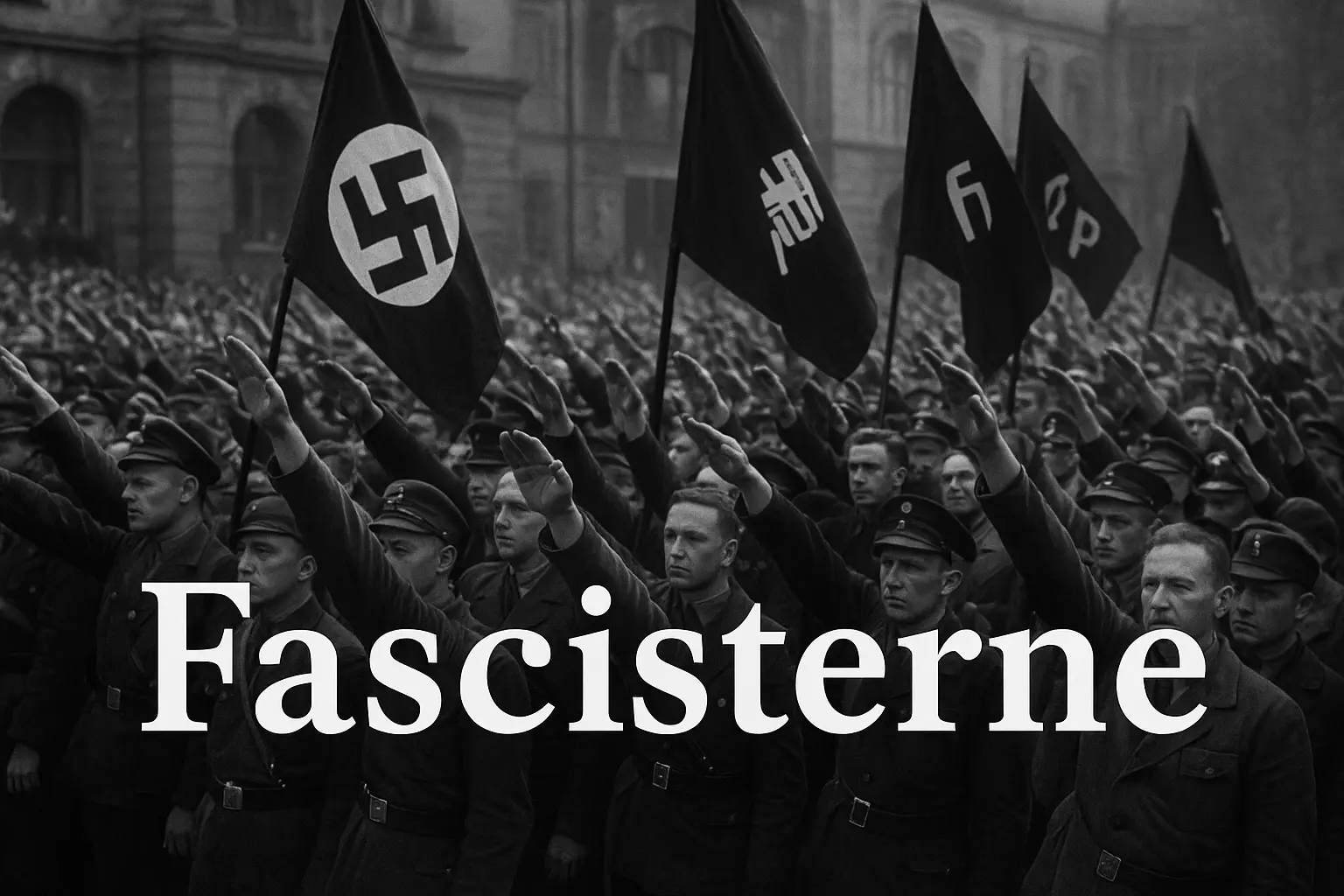
The term fascisterne refers to fascists, individuals or groups that subscribe to fascist ideology. Fascism emerged in the early 20th century and became a defining force in European politics, particularly during the interwar period. Understanding fascisterne requires a closer look at their ideology, historical context, societal influence, and lasting impact. This article delves deeply into the topic to provide a clear, informative perspective.
The Origins of Fascisterne
Fascisterne, or fascists, trace their origins to post-World War I Italy. The political and economic instability created fertile ground for radical ideologies. Benito Mussolini founded the National Fascist Party in 1921, aiming to establish a strong, centralized state. Fascisterne emphasized nationalism, authoritarian governance, and a rejection of liberal democracy.
While Italy was the birthplace, the ideology quickly spread across Europe. Countries like Germany, Spain, and Norway saw similar movements, often adapting fascism to local political conditions. The appeal of fascisterne lay in promises of national rejuvenation, stability, and social unity amid crisis.
Core Principles of Fascisterne
Fascisterne adhere to a set of defining principles that distinguish them from other political movements:
- Authoritarian Leadership: Fascisterne believe in a centralized power structure dominated by a strong leader who embodies the nation’s will.
- Nationalism: Extreme loyalty to the nation and the idea of national superiority are central to their ideology.
- Militarism: Fascisterne glorify military strength and often use paramilitary groups to enforce political control.
- Suppression of Opposition: Free speech, independent press, and political dissent are curtailed under fascist rule.
- Economic Control: Fascisterne favor state intervention in the economy, promoting corporatism while suppressing labor movements that oppose the state.
These principles helped fascisterne consolidate power and maintain control over society, often through propaganda and intimidation.
Fascisterne in European History
The influence of fascisterne peaked in the 1920s and 1930s. In Italy, Mussolini’s regime exemplified fascist rule, combining authoritarian governance with nationalist propaganda. In Germany, Adolf Hitler and the Nazi Party adopted many principles of fascism, though they added racial ideology and anti-Semitism as central components.
In Scandinavia, fascisterne took the form of smaller, region-specific movements. Norway’s Nasjonal Samling, led by Vidkun Quisling, collaborated with Nazi Germany during World War II. Denmark had the Danmarks Nationalsocialistiske Arbejderparti (DNSAP), which shared similar authoritarian and nationalist goals. While these movements were smaller in scale, they contributed to the broader influence of fascism across Europe.
Social and Political Impact of Fascisterne
Fascisterne profoundly affected societies where they gained power. Their regimes often suppressed civil liberties, eliminated political opposition, and imposed strict social control. Education and media were used to indoctrinate citizens, particularly youth, fostering loyalty to the state and its ideology.
Economically, fascisterne implemented state-directed programs that prioritized national interests over individual freedoms. While some public works and industrial programs temporarily boosted economies, these measures often came at the cost of workers’ rights and political freedoms.
The long-term impact of fascisterne is evident in modern political discourse. Lessons from fascist regimes inform contemporary understanding of authoritarianism, nationalism, and the dangers of extremist ideologies.
Fascisterne and Modern Extremism
Although traditional fascist regimes ended after World War II, the term fascisterne continues to describe modern extremist movements inspired by historical fascism. Neo-fascist groups exist in several countries, often promoting far-right nationalism, xenophobia, and authoritarianism.
Governments and civil organizations monitor these groups to prevent the resurgence of ideologies that undermine democracy. Awareness and education about the history and principles of fascisterne remain crucial in combating extremism and preserving democratic values.
Lessons from History
The history of fascisterne offers important lessons:
- Vigilance Against Authoritarianism: Societies must protect democratic institutions and civil liberties to prevent the rise of authoritarian movements.
- Education on Ideologies: Understanding the principles of fascisterne and their historical consequences helps citizens recognize and resist extremist rhetoric.
- Global Cooperation: International collaboration was crucial in defeating fascist regimes during World War II and continues to be vital in countering extremist ideologies today.
By learning from the past, societies can foster resilience against the appeal of fascist ideologies.
Conclusion
Fascisterne, historically and in modern contexts, represent a significant political and social phenomenon. Their emphasis on nationalism, authoritarian control, and suppression of opposition has left a lasting imprint on global history. Understanding the ideology, history, and impact of fascisterne is essential for recognizing the dangers of extremism and safeguarding democratic societies. By studying the lessons of the past, communities can remain vigilant and informed.
Frequently Asked Questions (FAQs)
1. Who were fascisterne?
Fascisterne were individuals or groups following fascist ideology, emphasizing nationalism and authoritarian governance.
2. Where did fascisterne originate?
The movement originated in post-World War I Italy, with Mussolini’s National Fascist Party as the first organized group.
3. What are the main principles of fascisterne?
Key principles include authoritarian leadership, ultranationalism, militarism, suppression of dissent, and state-directed economics.
4. Did fascisterne exist outside Italy?
Yes, fascisterne appeared across Europe, including Germany, Norway, and Denmark, often adapting to local political conditions.
5. Why is it important to study fascisterne today?
Studying fascisterne helps societies recognize extremist ideologies, protect democracy, and prevent the resurgence of authoritarian movements.
You May Like: Basqueserpartists: A Deep Look Into a Modern Expression of Basque-Inspired Creativity