
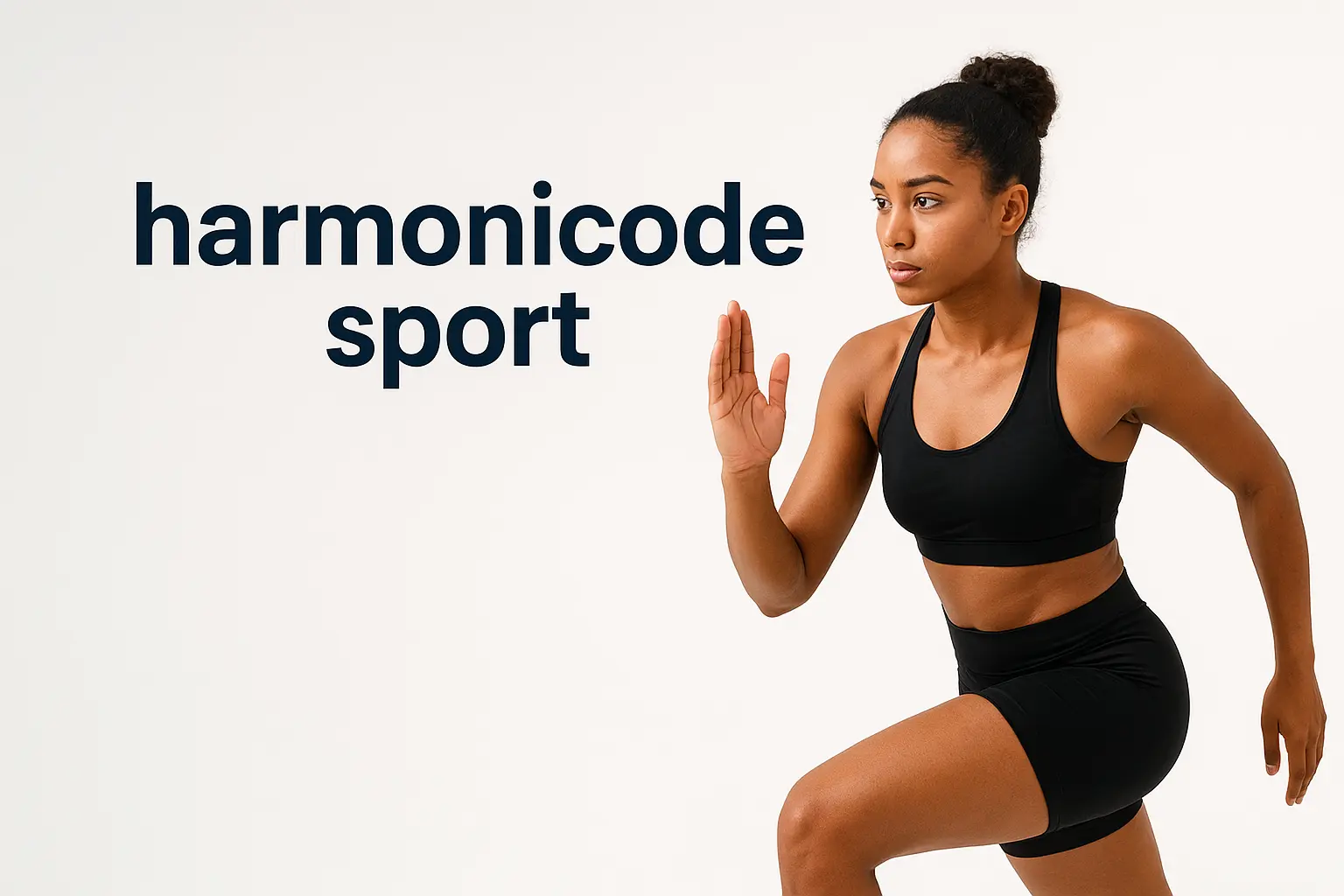
harmonicode sport is becoming a topic of interest among athletes, trainers, and fitness enthusiasts who want a fresh approach to improving performance. Instead of focusing only on strength or speed, this method highlights coordination, rhythm, and body awareness as essential parts of movement. Many people are exploring harmonicode sport because it connects physical training with controlled timing, smoother motion, and a more intentional way of learning skills. As more individuals look for effective and enjoyable fitness methods, harmonicode sport provides a unique blend of structure, creativity, and measurable progress that appeals to beginners and professionals alike.
What harmonicode sport Really Means
At its core, harmonicode sport is a training concept built around the idea that better timing leads to better performance. It encourages athletes to synchronize their actions with steady patterns, allowing movements to feel natural and efficient. Instead of rushing through drills, this method teaches controlled execution, balanced posture, and coordinated transitions. harmonicode sport looks at the body as a system that performs best when rhythm and mechanics work together. Whether someone is practicing simple footwork or complex sport-specific routines, the goal is to find a smooth, repeatable flow that supports long-term improvement.
Why harmonicode sport Stands Out
Traditional training often centers on power, repetitions, or endurance. harmonicode sport brings a different perspective by showing how movement quality affects every athletic outcome. When rhythm becomes part of practice, athletes gain better control, clearer awareness, and fewer wasted motions. This approach also reduces mental stress because it encourages athletes to feel the flow of movement rather than overthink technique. The beauty of harmonicode sport is that it blends structure with adaptability, making it suitable for personal workouts, team sessions, or skill-focused training programs.
How harmonicode sport Training Works
A typical training session follows a sequence designed to guide the athlete from basic awareness to coordinated performance. Sessions usually begin with simple tempo exercises to help the body and mind follow a consistent pace. From there, movements become more dynamic, involving stepping patterns, balance drills, and controlled transitions. Strength training can also be included but is often performed at a steady rhythm to improve control. Coaches may use audio cues, videos, or visual timing tools to help athletes understand their patterns. Over time, harmonicode sport encourages smoother movements, cleaner technique, and more reliable performance under pressure.
The Role of Technology in harmonicode sport
Although this method focuses on natural rhythm and movement, modern tools can enhance the training experience. Wearable devices, video capture, timing tools, or simple mobile apps can help measure cadence, identify imbalances, or track progress. Technology gives athletes clear information about how they move, allowing them to adjust in real time. While not required, these tools make harmonicode sport easier to personalize. Data-driven insights offer guidance on speed, accuracy, and consistency, helping athletes build habits that support long-term improvement.
Benefits of Practicing harmonicode sport
People who practice harmonicode sport often notice several benefits across physical and mental performance. Improved coordination allows movements to feel lighter and more controlled. Timing becomes more consistent, helping athletes perform reliably even when tired. Many individuals also experience fewer strains and overuse issues because the method teaches efficient body mechanics. Another advantage is mental clarity. When training includes rhythm, athletes stay more focused and engaged, turning practice into a flow-like experience rather than a routine task. These benefits make harmonicode sport a valuable addition for anyone who wants movement that feels strong, stable, and natural.
Who Can Use harmonicode sport Training
This approach works for a wide range of sports and activities. Team sports benefit from better positioning and synchronized movement. Combat sports gain improved pacing and distance control. Artistic disciplines such as gymnastics, skating, and dance naturally align with the rhythm-focused style. Even everyday fitness routines can become more effective when movement sequence and timing are emphasized. harmonicode sport is also useful in rehabilitation settings where controlled movement is essential for recovery. Because the training is flexible, anyone can adapt it to their experience level and goals.
Simple harmonicode sport Routine for Beginners
Trying harmonicode sport does not require specialized equipment. Beginners can start with a short session that includes tempo breathing, simple coordination drills, and slow strength movements with steady timing. Practicing footwork patterns to a metronome, holding balance on one leg, or performing controlled squats with a set rhythm introduces the core principles. As confidence grows, the routine can expand with more complex movement sequences. The goal is not speed, but consistency and flow.
Common Mistakes to Avoid
Rushing through movements is one of the biggest mistakes when learning harmonicode sport. The method works best when athletes slow down and focus on accuracy. Another mistake is ignoring posture, which reduces the benefits of rhythm-based training. Relying too heavily on technology can also be an issue; tools are helpful, but body awareness should come first. A balanced approach ensures that harmonicode sport becomes a sustainable and enjoyable part of training.
Why Coaches Are Adopting harmonicode sport
Coaches appreciate this method because it fills training gaps that traditional drills often overlook. It helps athletes develop skills that cannot be gained through strength work alone, such as balance, timing, and fluency of motion. By integrating short harmonicode sport modules into warm-ups or skill sessions, coaches see improvements in coordination and stability across entire teams. These small adjustments can greatly influence performance during games, practices, and competitions.
Getting Started with harmonicode sport
Anyone interested in harmonicode sport should begin by focusing on rhythm, controlled movement, and consistent practice. Simple cues like counting beats, moving to steady music, or filming short clips for self-review can build awareness quickly. What matters most is repetition, patience, and a willingness to learn new movement patterns. With time, the body adapts, and the rhythm feels natural. This approach makes training more enjoyable and productive.
Conclusion
harmonicode sport offers a refreshing perspective on athletic development by prioritizing timing, flow, and movement efficiency. It encourages athletes to move with intention, creating a strong foundation for both performance and long-term health. Whether used for fitness, professional sports, or skill development, this training approach helps individuals move smarter and more confidently. As interest continues to grow, harmonicode sport is becoming a valuable addition to modern training styles, offering a clear path toward better rhythm, balance, and overall performance.
FAQs
What is harmonicode sport?
It is a training method that combines rhythm, timing, and controlled movement to improve coordination and performance.
Can beginners practice harmonicode sport?
Yes, beginners can start with simple tempo and balance drills before progressing to more advanced routines.
Does harmonicode sport require special equipment?
No, it can be practiced with basic movement patterns and optional timing tools like a metronome.
What benefits does harmonicode sport offer?
It enhances coordination, reduces inefficient movement, supports injury prevention, and improves consistency.
Is harmonicode sport useful for all sports?
Many sports benefit from better timing and movement quality, making this method adaptable to various athletic needs.
You May Like: Fruit of the Loom Cornucopia Proof: Separating Memory from Evidence