
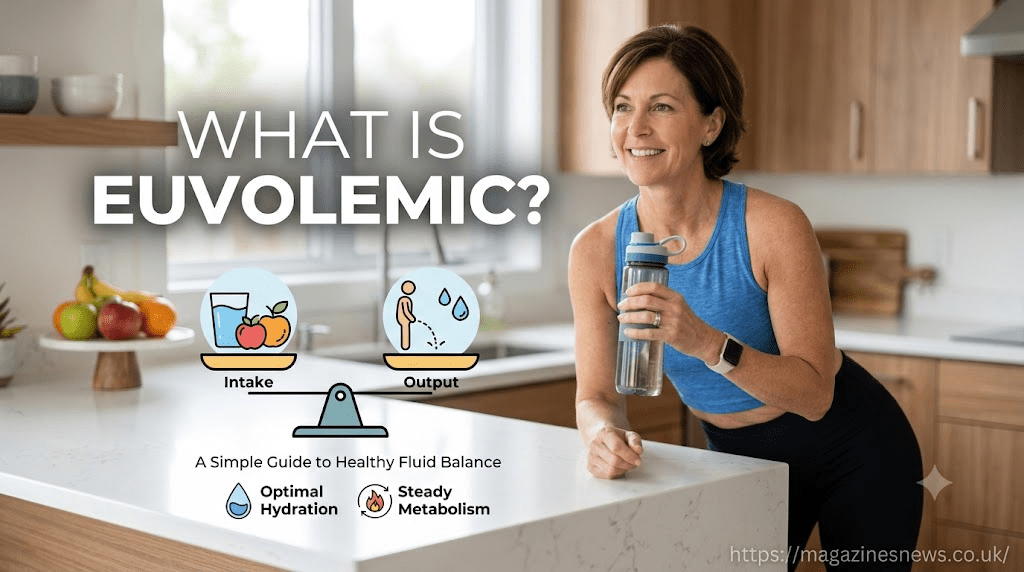
When you hear doctors talk about your health, they often use complex words. One term you might hear is Euvolemic. It sounds fancy, but it just means your body has the right amount of fluid. Imagine your body is like a garden. If you give it too little water, the plants wilt. If you give it too much, the soil gets swampy. Being euvolemic is the perfect middle ground where your body works exactly as it should. It is all about balance. When your fluid levels are just right, your blood flows easily, your heart stays happy, and you feel great. Let’s look at how this state of balance keeps you healthy and strong every single day.
Why Being Euvolemic Matters for Your Heart
Your heart is a hard-working pump. It moves blood all through your body. To do this well, your blood volume must be stable. When you are euvolemic, your heart does not have to work too hard. If you have too much fluid, your heart struggles to keep up. If you have too little, your blood pressure might drop. Keeping a euvolemic state helps your heart stay calm and steady. Think of it like keeping the tires on your car filled with the right amount of air. Everything runs smoother when the pressure is just right. Keeping your fluids balanced is a great way to support your heart’s long-term health.
How Your Kidneys Manage Fluid Levels
Your kidneys are like tiny filters in your body. They are the true heroes of staying euvolemic. They constantly check your blood to see how much water you have. If you drink a lot of water, your kidneys help you get rid of the extra. If you are thirsty, they hold onto the water you have. This complex process is how you stay euvolemic without even thinking about it. They work 24/7 to keep your internal environment stable. By drinking enough water and eating healthy foods, you give your kidneys the tools they need. They are amazing organs that truly deserve our care and attention.
Signs Your Fluid Balance Is Off
Sometimes, the body struggles to remain euvolemic. You might notice swelling in your feet or legs if you hold too much fluid. This is often called edema. On the other hand, feeling very dizzy or weak could mean you have too little fluid. Being euvolemic means you avoid these uncomfortable issues. Pay attention to how your body feels. If your shoes feel tight or you feel very thirsty, your body might be telling you something. Learning to listen to these simple signs helps you maintain a euvolemic state. If you ever feel worried about these changes, talk to a doctor to get the right advice.
The Role of Salt in Fluid Balance
Salt is a big player in how your body handles water. When you eat a lot of salty snacks, your body tends to hold onto extra water. This can move you away from being euvolemic. It is not that salt is bad, but it needs balance. Drinking plenty of water helps your kidneys wash away the extra salt. When you stay euvolemic, you are usually eating a balanced diet. Focus on fresh foods like fruits and veggies. These contain natural water and minerals that help your body maintain its perfect state. Small changes to your diet can make a huge difference in your overall fluid health.
Simple Tips to Stay Hydrated
You do not need to be a scientist to stay euvolemic. The easiest way is to drink water when you are thirsty. Most people do well by carrying a reusable water bottle. It serves as a great reminder to take a sip now and then. Keeping your body euvolemic is about consistent, small habits. Avoid waiting until you have a dry mouth or a headache. Those are signs you are already behind on your fluids. Instead, aim for steady hydration throughout your morning and afternoon. Your body will thank you for the steady supply of water. It is a simple but very powerful way to feel better.
How Exercise Affects Your Fluid Needs
As an athlete, I know that exercise changes everything. When you sweat, you lose water and salt. It becomes harder to stay euvolemic during a tough workout. You have to be more mindful of what you drink. Replacing what you lose is the key to performing well. If you are training for a long run or a game, keep a water bottle nearby. Being euvolemic helps you keep your energy up and prevents cramps. After you exercise, check your weight or how you feel. A healthy athlete knows that staying euvolemic is just as important as the actual training session. Always listen to your body’s needs.
Medical Conditions and Fluid Balance
Some people have health issues that make staying euvolemic more difficult. Conditions like heart or kidney problems can make the body hold onto fluid easily. In these cases, doctors often help manage fluid intake carefully. They might ask you to track how much water you drink. Achieving a euvolemic state is a common goal for many medical treatments. It is not about being perfect, but about being safe and comfortable. If you have a condition, follow your doctor’s plan closely. They can help you stay euvolemic even when things get a bit tricky. Your health journey is unique, so always seek professional guidance for your specific needs.
Why Tracking Your Weight Matters
Did you know that sudden weight changes are often about water? If you gain a few pounds in one day, it is likely just extra fluid. If you drop weight fast, you might be dehydrated. Staying euvolemic means your weight stays fairly steady from day to day. Many doctors suggest that patients check their weight to monitor their euvolemic status. It is a very simple tool that anyone can use at home. Just step on the scale at the same time each morning. If you see a big jump or drop, it is a hint to look at your diet or activity.
The Future of Monitoring Fluid Health
Technology is making it easier than ever to stay euvolemic. We now have smart devices that track our activity and hydration habits. Some apps even remind us to drink water based on the local weather. While these tools are fun, remember that your own feelings are the best guide. Being euvolemic is a natural state your body wants to reach. Use technology to help build good habits, but trust your body first. The goal is to live a long and active life. Staying euvolemic is a small part of that bigger, healthy picture. Keep learning, keep moving, and stay balanced.
Common Misconceptions About Hydration
Many people think “more is always better” when it comes to water. But that is not true. Drinking too much water can actually be harmful, just like drinking too little. Being euvolemic is about the right amount, not the maximum amount. You do not need to drink gallons of water a day. Just drink when you feel thirsty. Keep your euvolemic goals simple and realistic. Do not fall for fads that claim you need special drinks or extreme amounts of water. Your body is smart. It knows how to be euvolemic if you just give it clean water and good food.
Comparison Table: Fluid Balance Levels
| State | Meaning | How You Might Feel |
| Euvolemic | Perfect balance | Energized, normal, clear-headed |
| Hypervolemic | Too much fluid | Swollen, heavy, out of breath |
| Hypovolemic | Too little fluid | Dizzy, weak, very thirsty |
Frequently Asked Questions
1. What does the word euvolemic mean?
It simply means your body has the correct amount of fluid to function well.
2. Is it hard to stay euvolemic?
For most healthy people, your body manages this automatically. Just drink when you are thirsty.
3. Can I test if I am euvolemic at home?
Yes, simple things like checking your weight daily or noticing swelling can help you understand your status.
4. Does coffee count toward my fluid intake?
Yes, most drinks count, but plain water is usually the best choice for staying euvolemic.
5. What happens if I am not euvolemic?
You might feel tired, dizzy, or notice swelling. If you feel bad, it is best to see a doctor.
6. Do athletes need to do anything special?
Yes, athletes should drink water before, during, and after exercise to replace what is lost through sweat.
Conclusion
Staying euvolemic is one of the most natural things your body does to keep you safe. By understanding how fluid balance works, you can support your heart, kidneys, and overall energy levels. Remember, it is all about balance—not too much, not too little. If you ever feel “off,” listen to your body and make small, healthy changes. Staying euvolemic is a lifelong habit that helps you live your best life. Have you ever noticed how your body changes after a long day? Share your thoughts below or reach out if you have questions! Let’s keep the conversation going about staying healthy and balanced together.