
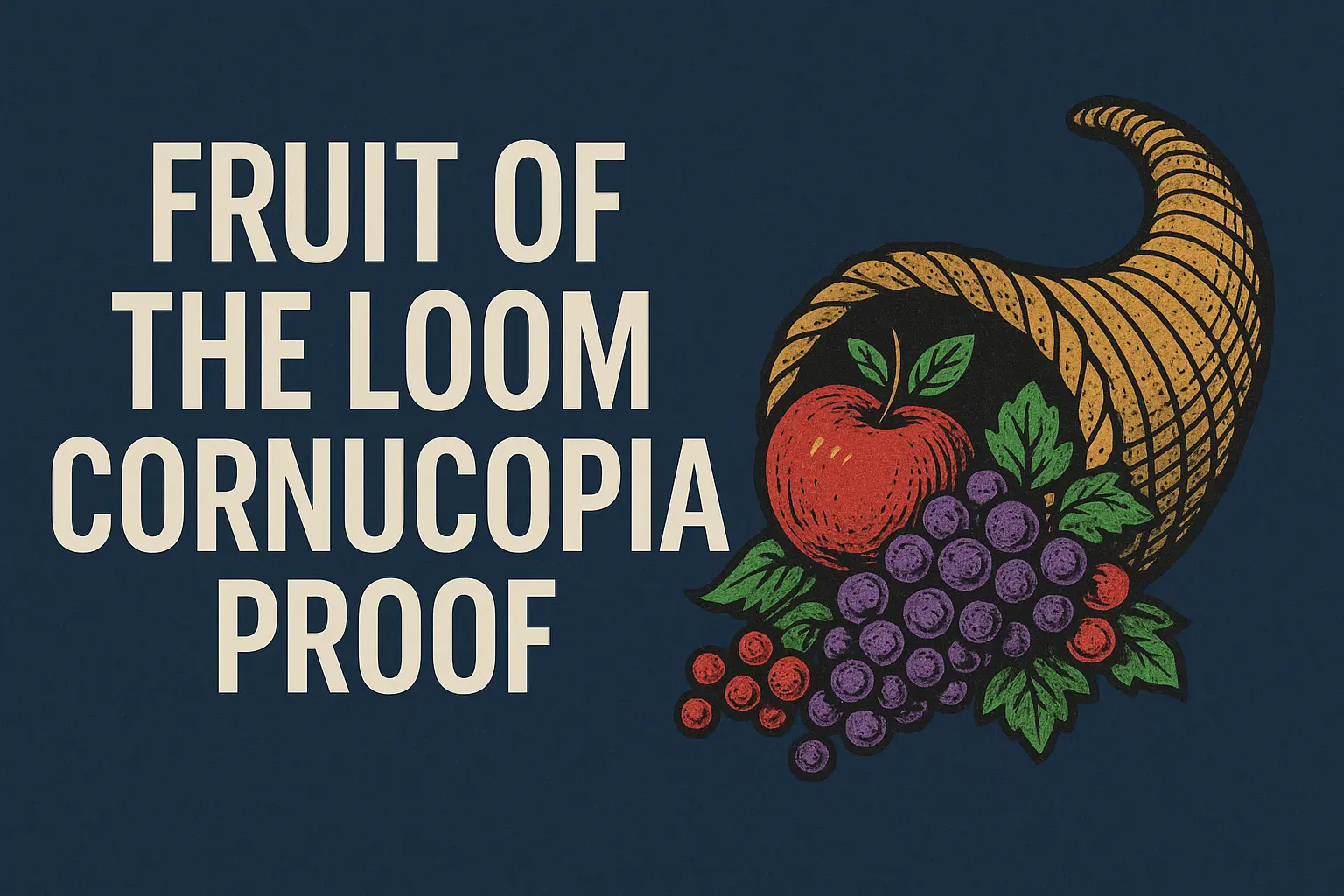
Many people are convinced they remember a cornucopia in the Fruit of the Loom logo. This belief has created a long-running internet debate often fueled by social posts, edited images, and collective memory. In this article we examine the question directly: what counts as fruit of the loom cornucopia proof, why people believe it existed, and how to tell authentic evidence from altered images or misinterpretations.
Why the cornucopia question matters
The dispute over fruit of the loom cornucopia proof is more than trivia. It shows how brand memory, visual cues, and social sharing shape what large groups accept as fact. For brands, even small perceived changes in identity can spark confusion among customers. For researchers of memory and culture, the cornucopia claim is a useful example of how plausible visual associations become collective convictions.
Tracing the origin of the belief
To understand fruit of the loom cornucopia proof claims, it helps to look at where the idea originated. Over the past two decades, social media posts and viral images have suggested that old Fruit of the Loom labels or advertisements included a horn of plenty behind the fruit cluster. In most cases the images are unverified or appear to be edits. Many earliest circulated examples do not come from authenticated print ads, factory photographs, or trademarked art files, but from user-created graphics and jokes that spread widely. That pattern weakens the case for fruit of the loom cornucopia proof as factual history.
Trademark records and what they do and don’t prove
People sometimes point to trademark database entries as fruit of the loom cornucopia proof. Trademark search systems use classification codes and keywords to index marks so examiners can find similar designs. A search term or code referencing containers, baskets, or cornucopias may appear near Fruit of the Loom filings because the indexing system groups related visual elements together. That does not equal a literal depiction of a cornucopia in the registered logo. Examining original trademark artwork and company filings directly is essential; indexing terms alone are not conclusive fruit of the loom cornucopia proof.
Why memories can diverge from documented history
Human memory is suggestible. When people see similar iconography a basket of fruit in a Thanksgiving design, a grocery label, or a different brand’s artwork it can blend with memories of Fruit of the Loom and form a composite mental image. That mechanism explains how so many people honestly recall a cornucopia where none existed. These memory errors are persuasive but they are not fruit of the loom cornucopia proof in the historical or documental sense.
Evaluating photographic and physical “evidence”
When assessing alleged physical evidence for fruit of the loom cornucopia proof, apply simple verification steps: check provenance (where did the item come from?), compare with authenticated brand guidelines, and look for signs of digital editing or modern printing techniques inconsistent with claimed age. Many suspect images fail these tests: they originate from recent posts, use modern fonts, or show pixel-level editing. Authentic artifacts verified tags, labels from credible estate sales, or scanned catalog pages with clear dates would be the strongest fruit of the loom cornucopia proof. To date, no widely accepted, dated physical artifact has met that standard.
Common mistakes that are mistaken for proof
Several recurring issues create confusion that people present as fruit of the loom cornucopia proof:
- Misattribution of similar logos from other brands or seasonal artwork.
- Edited images created for humor or to illustrate the Mandela Effect.
- Incorrect reading of trademark indexing metadata as a literal visual description.
Understanding these pitfalls helps readers avoid mistaking suggestive or secondary signals for direct evidence.
How journalists and researchers should report on this topic
Responsible coverage on fruit of the loom cornucopia proof demands clarity. Reporters and bloggers should distinguish between anecdote and documented fact, avoid relying on single social posts as evidence, and seek primary sources: company statements, dated print ads, museum or archive holdings, and original trademark art. When primary sources are unavailable, clearly label the claim as unverified rather than presenting it as proof.
What this means for consumers and collectors
If you collect vintage clothing or brand ephemera, treat any item that appears to show a cornucopia in the Fruit of the Loom mark with healthy skepticism until its provenance is verified. Insist on documentation: seller history, dated catalogs, or third-party appraisal. Sharing unverified images contributes to confusion and can inflate both belief and anecdotal “proof” without real evidence.
Practical tips to verify claims quickly
If you encounter a new claim of fruit of the loom cornucopia proof, try these steps:
- Ask for provenance and high-resolution images.
- Compare the alleged item to known authentic logos and dated catalogs.
- Look for printing or label techniques that match the claimed era.
- Check trademark artwork for the registered mark rather than relying on search-indexing terms.
These quick checks help separate genuine discoveries from modern fabrications or misremembered imagery.
Final thoughts on the debate
The conversation around fruit of the loom cornucopia proof teaches a broader lesson about evidence and memory. Collective memory can be powerful and persuasive, but the standards for historical proof require verifiable artifacts or documentation. Until authenticated, dated materials surface that clearly show a horn of plenty as part of the Fruit of the Loom logo, accounts of such a logo remain unproven assertions rather than established history.
Conclusion
The claim that Fruit of the Loom once used a cornucopia in its logo has captured public imagination, but curiosity and verification must go hand in hand. Proper fruit of the loom cornucopia proof demands more than recollection or indexed trademark metadata it requires authenticated, dated artifacts or primary documents. Until those appear and are vetted, the most responsible position is to treat the cornucopia memory as a case study in how collective recollection forms, not as settled brand history.
Frequently Asked Questions
Q1: Is there an official statement from the company about the cornucopia?
The company’s verified materials and public records reflect a fruit cluster logo; indexing terms in databases do not substitute for an official logo depiction.
Q2: Can trademark search codes prove the logo had a cornucopia?
No. Trademark search codes are organizational tools; they do not confirm the literal visual components of a registered mark.
Q3: I found a photo online showing a cornucopia on a Fruit of the Loom tag is that proof?
Not necessarily. Many online photos are edited or misattributed; provenance and expert verification are necessary to accept such an image as proof.
Q4: Why do so many people remember the cornucopia?
Visual similarity, cultural imagery, and memory blending cause many people to form identical but inaccurate recollections.
Q5: What would count as definitive fruit of the loom cornucopia proof?
A dated, authenticated item (like a scanned ad, original label, or company filing with imagery) verified by reputable archives or historians would be definitive.
You May Like: Smart Ways to Solve mozillod5.2f5 loading issues and Improve Your Browsing Experience