
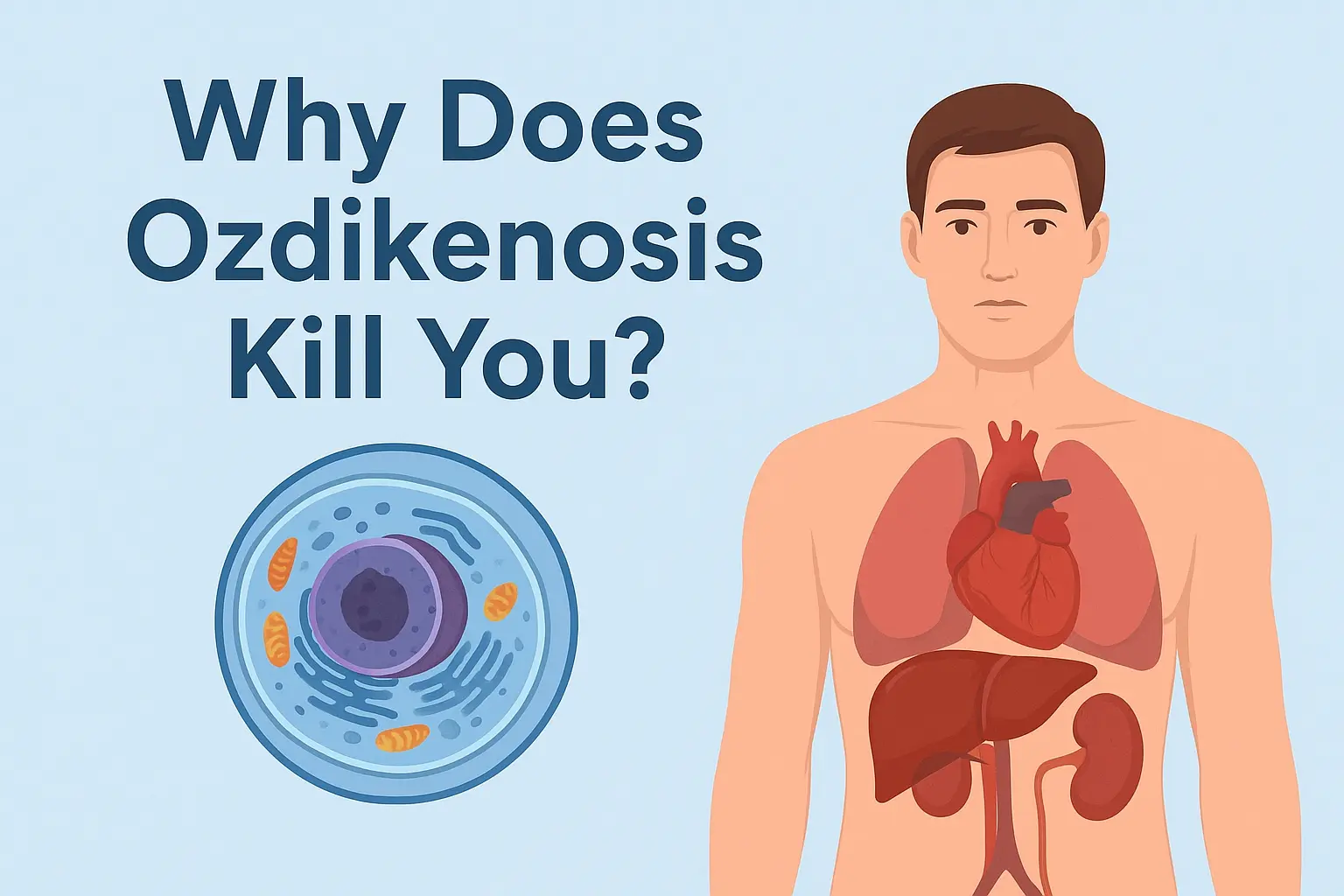
Ozdikenosis is a term that has gained attention in online discussions, raising questions about its severity and impact on health. While the condition itself is rarely documented in mainstream medical literature, numerous articles and anecdotal reports attempt to explain its effects on the human body. Understanding why does ozdikenosis kill you requires a careful look at the mechanisms described in these sources, the potential symptoms, and the risks associated with this condition. This article provides an in-depth exploration, helping readers gain clarity on this alarming topic.
What Is Ozdikenosis?
Ozdikenosis is described as a severe, progressive disorder that affects multiple systems in the body. Reports suggest that the disease primarily targets metabolic and cellular functions, leading to widespread organ stress. While there is limited formal research on ozdikenosis, the information circulating online portrays it as a condition that silently escalates over time. The core concern is why does ozdikenosis kill you, and the explanation often centers on the inability of cells to maintain normal energy production, causing a chain reaction of organ failure.
How Ozdikenosis Progresses
The progression of ozdikenosis is reportedly gradual at first, with subtle symptoms that are easy to overlook. Individuals may experience fatigue, weakness, and mild discomfort, which are often attributed to stress or lifestyle factors. However, as the condition advances, it can trigger more serious complications, affecting vital organs such as the heart, lungs, and kidneys. Understanding why does ozdikenosis kill you involves recognizing that the disease’s silent progression allows significant damage to accumulate before detection, making treatment more difficult.
Symptoms That Signal Danger
Early symptoms of ozdikenosis can be vague and misleading. According to anecdotal accounts, common indicators include persistent tiredness, occasional shortness of breath, and general malaise. As the condition worsens, symptoms may escalate to organ-specific issues, including irregular heartbeat, respiratory difficulties, and digestive problems. Recognizing these warning signs is crucial for understanding why does ozdikenosis kill you, as delayed intervention may increase the risk of fatal outcomes.
Potential Causes and Mechanisms
The causes of ozdikenosis remain unclear, with most sources citing genetic predisposition or metabolic dysfunction as possible triggers. Cellular energy collapse is frequently mentioned as a primary mechanism, where cells fail to produce sufficient energy to sustain vital functions. This failure can lead to systemic stress, inflammation, and eventual multi-organ failure. Exploring why does ozdikenosis kill you helps emphasize the importance of cellular health and metabolic stability in preventing serious consequences.
Risk Factors and Vulnerable Populations
Although anyone can potentially be affected, certain factors may increase susceptibility to ozdikenosis. Individuals with pre-existing metabolic disorders, immune deficiencies, or chronic illnesses may face higher risks. Lifestyle elements such as poor nutrition, sedentary habits, and prolonged stress may also exacerbate the condition. Awareness of these risk factors is essential in understanding why does ozdikenosis kill you, as proactive measures could mitigate some of the dangers associated with the disease.
Diagnostic Challenges
Diagnosing ozdikenosis is complicated by the lack of standardized testing and the subtle nature of early symptoms. Many patients are initially misdiagnosed or their complaints are overlooked due to nonspecific signs. This difficulty in early detection contributes to the urgency of understanding why does ozdikenosis kill you, as delayed diagnosis often leads to more severe complications and increases the risk of fatal outcomes.
Possible Complications
The complications associated with ozdikenosis are severe and potentially life-threatening. Multi-organ failure, impaired immune response, and metabolic collapse are frequently cited in reports. These complications directly answer the question of why does ozdikenosis kill you, highlighting that unchecked disease progression can compromise critical bodily systems. Long-term effects may include chronic fatigue, organ damage, and heightened vulnerability to other illnesses.
Prevention and Management
While definitive treatment strategies for ozdikenosis are not well-established, general health measures may help reduce risks. Maintaining balanced nutrition, engaging in regular physical activity, and managing stress are recommended to support metabolic and cellular health. Additionally, regular medical check-ups and monitoring for early symptoms can aid in mitigating the severity of the condition. Understanding why does ozdikenosis kill you underscores the importance of early intervention and proactive lifestyle choices.
Conclusion
Ozdikenosis, though not widely recognized in mainstream medical literature, is described in various reports as a serious and potentially fatal condition. Understanding why does ozdikenosis kill you revolves around its impact on cellular energy, multi-organ stress, and progressive complications. By recognizing early symptoms, being aware of risk factors, and adopting preventive health measures, individuals can reduce their vulnerability. Staying informed is essential for navigating the uncertainties surrounding this condition and minimizing its potentially deadly effects.
Frequently Asked Questions (FAQs)
1. What is ozdikenosis?
Ozdikenosis is described as a progressive condition affecting cellular and metabolic functions, potentially leading to severe health complications.
2. Why is ozdikenosis dangerous?
The disease can silently damage organs and compromise energy production, which may result in multi-organ failure.
3. Can ozdikenosis be detected early?
Early detection is challenging due to subtle symptoms, making regular health monitoring important for at-risk individuals.
4. Who is most at risk of ozdikenosis?
People with metabolic disorders, chronic illnesses, or weakened immune systems may be more susceptible.
5. Are there ways to reduce the risk of ozdikenosis?
Maintaining a healthy lifestyle, proper nutrition, regular exercise, and early medical intervention can help minimize risks.
You May Like: Effective Strategies for Success: Management Guide EWMagWork