
Have you ever tried to fix a loose part inside your car? Maybe a door panel was rattling, or a plastic clip broke. If you pull on these parts with your bare hands, they snap or scratch the paint.
This is where a Levapioli comes to the rescue. A levapioli (often known in English as a trim pad remover, clip lifter, or upholstery removal tool) is a special hand tool used in automotive repair. It is designed to safely lift plastic pins, retainers, and interior car clips without damaging the soft plastic or painted car body.
Whether you are an expert mechanic or a first-time DIY car modifier, knowing how to use this tool makes car care incredibly easy and stress-free. Let us dive into everything you need to know about this handy little tool!
Why Every DIY Car Owner Needs a Levapioli
Working on car interiors can be frustrating. Car makers use small plastic fasteners to hold door cards, dashboard pieces, and roof linings in place. These parts are very fragile.
Using a regular flathead screwdriver often leaves ugly dents, scratches, or broken clips. A levapioli features a specially curved, slotted blade that slides right under the head of the fastener. It distributes the lifting force evenly. This means your clips stay intact, and your car panels remain perfectly smooth. It is the secret to making your car repairs look clean and professional.
How the Tool Got Its Name
The term levapioli comes from Italian, where “leva” means lever and “pioli” refers to pegs or pins. While English speakers might call it a trim tool or panel popper, many high-quality professional tools—like those made by Beta Utensili—retain the classic name.
Think of it simply as a gentle lever for pegs and pins. Once you start using one, you will wonder how you ever fixed your car without it.
The Best Materials for Trim Removal Tools
When shopping for a levapioli, you will find two main types of materials: stainless steel and tough plastic (nylon).
Stainless steel versions are super strong and thin. They are great for stubborn, deep clips in metal door frames. Nylon or plastic versions are softer. They are perfect for highly delicate dashboard pieces or leather areas. Many mechanics keep a small set of both types in their toolbox so they are always ready for the job.
Step-by-Step: Using Your Levapioli on Car Doors
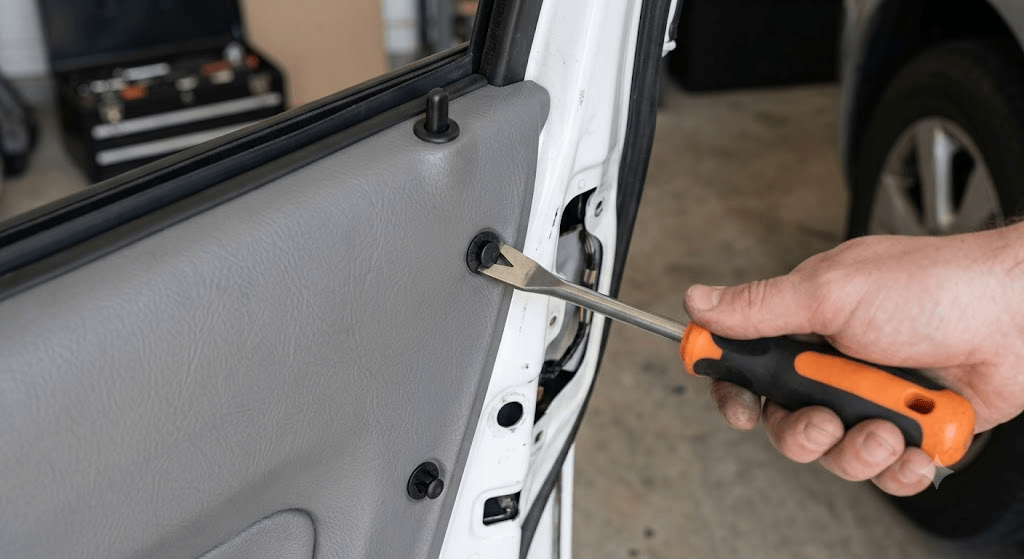
Taking off a car door panel is the most common task for this tool. First, remove all visible screws from the armrest and handle area. Next, look along the bottom edge of the door for the gap where the panel meets the metal.
Take your levapioli and slide it flat against the door until you feel the plastic clip. Gently rock the tool or pry upward. The clip will pop out of its hole with a soft click. Move to the next clip and repeat. By working slowly, you keep the plastic panel from cracking.
Saving Money on Simple Interior Repairs
Taking your car to a repair shop just to fix a loose door panel or replace a broken dashboard clip can cost a lot of money. Labor fees add up fast for simple trim work.
By buying an affordable levapioli set, you can do these easy fixes at home. It empowers you to take control of basic vehicle maintenance. You save cash, learn a new skill, and gain the satisfaction of fixing your own ride.
Protecting Delicate Dashboard Parts
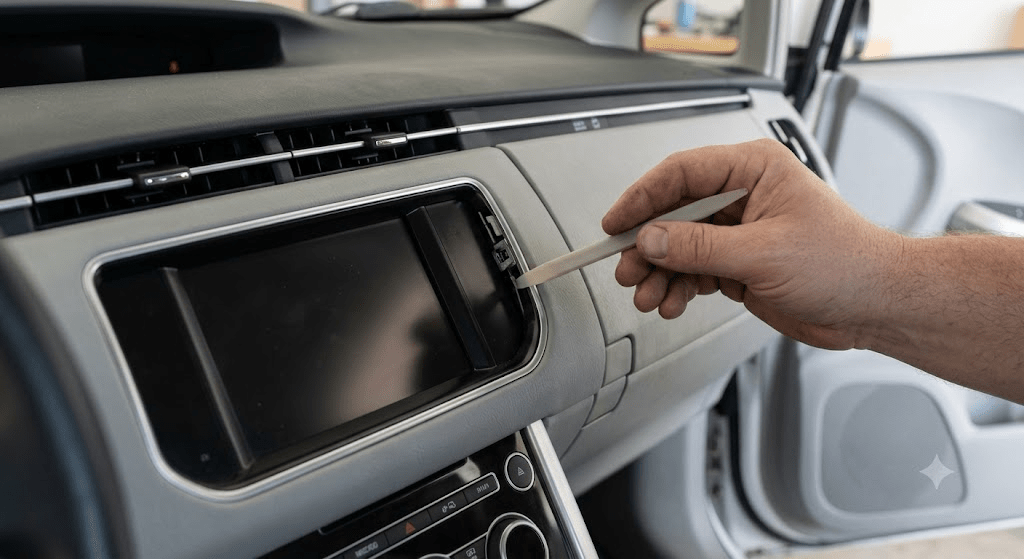
The dashboard area has some of the most fragile plastic parts in your car. Vents, radio surrounds, and trim strips can snap very easily if forced.
When working near the dashboard, always choose a thin, smooth tool. Slide it in slowly. If it feels stuck, do not force it. Wiggle it side to side very gently. Taking your time here prevents expensive trips to the auto body shop for replacement parts.
Keeping Your Car Free from Annoying Rattles
Loose interior panels cause annoying buzzing and rattling noises while you drive down the highway. Often, this happens because a previous mechanic broke a plastic clip and did not replace it.
Using a levapioli lets you remove panels properly to inspect the clips. If a fastener is worn out, you can pop in a brand-new clip. Securing your interior panels tightly brings back that quiet, smooth, and enjoyable ride feel.
Avoiding Common Beginner Mistakes
The biggest mistake beginners make is rushing. If you jam the tool in too fast, you might tear the fabric or crack the plastic panel. Always look closely at where the fastener sits before prying.
Another mistake is using the wrong size tool. If the notch on your levapioli is too wide for the pin, it might slip. Take a second to test the fit. Proper tool choice makes the job safe and fast.
Choosing the Right Tool for the Job
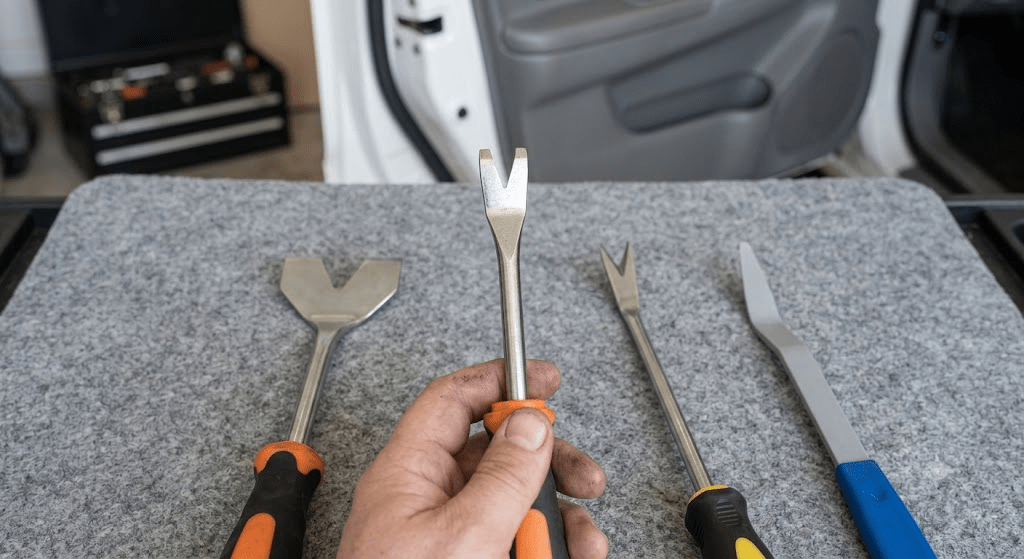
Not all clips are the same size. Some are wide and flat, while others are long and narrow. Tool companies make different styles of the levapioli for this reason.
Some have a sharp U-shaped end, while others have a V-shaped end. Look at your specific car model’s clips to see which shape fits best. Having the correct profile ensures you never damage your vehicle.
Frequently Asked Questions
Can a levapioli scratch my car paint?
If you use a metal tool carelessly on exposed car paint, it can cause a scratch. For exterior or highly visible areas, use a plastic or nylon trim tool instead of metal.
Do I need to hit the tool with a hammer?
No, absolutely not. A levapioli is designed for gentle prying by hand. Hitting it with a hammer will break the plastic clips or the car panel instantly.
Are these tools only for cars?
While built for auto body and vehicle repair, they are also handy for removing plastic fasteners on motorcycles, scooters, and even some home appliances.
How do I know if a clip is broken?
After removing a fastener, look at it closely. If the prongs are bent, snapped, or loose, throw it away and use a new clip before putting the panel back on.
Can I clean my trim tools?
Yes. Wipe your metal or plastic tools with a clean microfiber cloth after use to remove grease, dirt, or sticky residue from the car interior.
What should I do if a clip is stuck?
Do not pull harder. Spray a tiny amount of silicone lubricant around the clip. Wait one minute, then slide your levapioli back in and try again.
Conclusion
Working on your car’s interior does not have to be scary or expensive. With the right technique and a trusty levapioli in your hand, you can confidently pop off door panels, fix loose trim, and eliminate annoying rattles like a true pro. Remember to take your time, protect those delicate plastic tabs, and always use the right tool for the specific clip.
Now it is your turn to try! Do you have a loose panel or a broken clip in your vehicle right now? Grab a trim tool, follow these simple steps, and let us know how your quick repair goes in the comments below!