
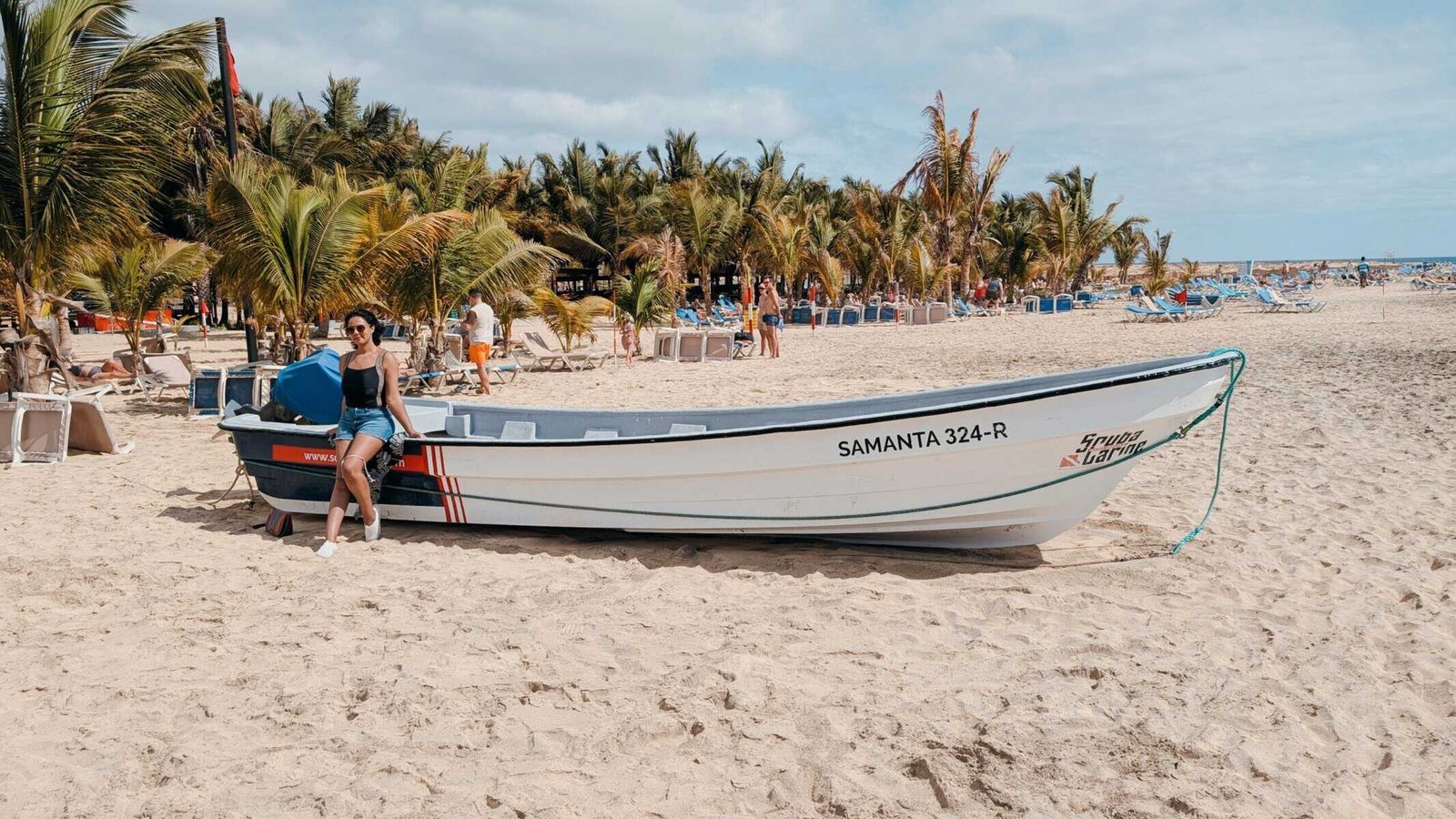
Cape Verde is a beautiful island country known for its sunny beaches, clear blue water, and friendly people. It sits in the Atlantic Ocean, off the western coast of Africa. This small country offers a special mix of African and Portuguese culture. Visitors can enjoy peaceful beaches, green mountains, colorful towns, and exciting music. Each island has its own charm and different things to explore. Some islands are perfect for relaxing, while others attract hikers and adventure lovers. Cape Verde also has a rich history and a warm local lifestyle. Its natural beauty makes it an interesting destination for people from around the world. Whether you enjoy nature, food, music, or beach holidays, these islands offer plenty to discover.
What Is Cape Verde?
Cape Verde, officially known as Cabo Verde, is an island country made up of ten main islands. It is located in the Atlantic Ocean, west of mainland Africa. The country is famous for its beautiful coastlines, volcanic landscapes, and lively local culture. Portuguese is its official language, while Cape Verdean Creole is widely spoken in daily life. The country has a unique identity shaped by African and European influences. Its people are known for their music, hospitality, and strong community traditions. Tourism is an important part of the economy, especially on islands with popular beach resorts. However, there is much more to discover than hotels and seaside activities. Visitors can explore fishing villages, historic streets, mountain trails, and traditional restaurants. This combination makes the country an appealing destination for many travelers.
Cape Verde Location and Geography
The Cape Verde location is one of its most interesting features. The islands lie about 570 kilometers west of Senegal in the Atlantic Ocean. They are part of West Africa, although they are separated from the mainland by the sea. The country covers approximately 4,033 square kilometers of land. Its ten islands are divided into two main groups. These are called Barlavento and Sotavento. Barlavento includes the northern islands, while Sotavento contains the southern islands. The islands have different landscapes and natural features. Some have long sandy beaches and dry plains. Others have high mountains, deep valleys, and volcanic rocks. This variety makes the country special for nature lovers. Its location also makes it an interesting meeting point between African and Atlantic cultures.
Complete Cape Verde Biography and Country Information Table
Here is a helpful information table covering the country’s main details. It gives readers a quick overview before exploring its islands, culture, and travel attractions. These facts are useful for students, tourists, and anyone researching this beautiful Atlantic destination. The table also explains the country’s official name, capital, languages, and money system. Remember that population figures can change over time. Therefore, the table avoids presenting an older population estimate as a current exact figure. Its main purpose is to provide a simple country profile. You can use these details as a starting point when learning about the islands. They also help explain how this small country developed its own identity and traditions.
| Country Detail | Information |
| Common Name | Cape Verde |
| Official Name | Republic of Cabo Verde |
| Country Type | Island country |
| Continent | Africa |
| Region | West Africa |
| Ocean | Atlantic Ocean |
| Capital City | Praia |
| Largest Island | Santiago |
| Number of Main Islands | 10 |
| Inhabited Islands | 9 |
| Official Language | Portuguese |
| Common Local Language | Cape Verdean Creole |
| Currency | Cape Verdean Escudo (CVE) |
| Currency Symbol | Escudo |
| Independence | 1975 |
| Main Religion | Christianity |
| Main Economic Activities | Tourism, services, fishing, and trade |
| Famous Music | Morna and Funaná |
| Major Tourist Islands | Sal and Boa Vista |
| Famous Natural Feature | Pico do Fogo volcano |
| Main Cultural City | Mindelo |
| Nationality | Cape Verdean |
| Internet Country Code | .cv |
Country details are based on geographic and reference information. Some details, such as population and economic figures, can change.
How Many Islands Does Cape Verde Have?
Cape Verde has ten main islands and several smaller islets. Nine of its main islands have permanent communities. Santa Luzia is the only uninhabited main island. Each island offers a different experience for visitors. Some are popular for beach holidays and water sports. Others are known for their mountains, local villages, and peaceful surroundings. The northern island group is called Barlavento. The southern group is known as Sotavento. These names describe the islands’ positions in relation to the wind. The islands were formed through volcanic activity over a long period. This volcanic past created interesting mountains, valleys, and rocky coastlines. Exploring more than one island can help visitors understand the country’s natural variety. It also shows why one beach resort cannot represent the entire archipelago.
Best Islands to Visit in Cape Verde
Choosing an island depends on the type of holiday you want. Sal is popular with visitors who enjoy beaches, restaurants, and water sports. Boa Vista offers wide sandy shores and impressive sand dunes. Santiago is a great choice for people interested in history and city life. São Vicente attracts visitors with its music, festivals, and lively town of Mindelo. Santo Antão is famous for green valleys and beautiful hiking paths. Fogo offers a dramatic volcanic landscape and a memorable mountain experience. Maio is quieter and suits people who want peaceful beaches. São Nicolau has traditional villages and mountain scenery. Brava is small and known for its green surroundings. These differences make island planning important. Instead of visiting every island quickly, choose the places that match your interests.
Sal Island: A Favorite Beach Destination
Sal is one of the best-known islands in Cape Verde. It attracts travelers with its sandy beaches, sunny weather, and holiday resorts. Santa Maria is its most popular tourist town. Visitors can enjoy swimming, boat trips, diving, and other water activities. The island is also famous for wind sports. Its coastal conditions attract people who enjoy kitesurfing and windsurfing. Another interesting place is Pedra de Lume, where visitors can see salt pans inside an old volcanic crater. The island is mostly flat and dry, so its landscape looks different from the greener islands. Sal works well for first-time visitors who want simple travel arrangements and plenty of tourist facilities. However, exploring local restaurants and nearby communities can make the experience more meaningful than staying inside a resort.
Boa Vista: Beautiful Beaches and Sand Dunes
Boa Vista is another popular island for beach lovers. Its name means beautiful view in Portuguese. The island is known for long beaches, golden sand, and large dunes. Santa Monica Beach is one of its famous coastal attractions. Visitors can enjoy peaceful walks, swimming conditions when safe, and relaxing seaside views. The island also offers opportunities to explore desert-like landscapes. Viana Desert is a well-known place where visitors can see impressive sand formations. Boa Vista is generally quieter than some busy resort destinations. It can suit couples, families, and travelers seeking a slower holiday. During certain seasons, sea turtles also visit its beaches to lay eggs. Visitors should follow local wildlife rules and avoid disturbing nesting animals. This island offers a lovely mix of coastal beauty and natural experiences.
Santiago Island and the Capital City Praia
Santiago is the largest island and an important center of everyday life. It is home to Praia, the country’s capital city. The island offers a mixture of city streets, beaches, markets, and mountain scenery. Praia is a good place to experience modern Cape Verdean life. Visitors can explore local markets, restaurants, and historic neighborhoods. Cidade Velha is another important attraction. This historic settlement has a strong connection to the country’s early colonial history. It is also recognized as a UNESCO World Heritage Site. Tarrafal is known for its beautiful beach and relaxed atmosphere. Santiago is different from the resort-focused islands because it offers a wider view of local communities and history. Travelers interested in culture and everyday experiences should consider spending time here.
Island Finder+2
São Vicente: Music, Art, and Local Life
São Vicente is famous for its creative atmosphere and musical traditions. Its main town, Mindelo, is one of the country’s important cultural centers. The town has colorful buildings, waterfront views, small restaurants, and lively streets. Music plays an important role in local life. Visitors may hear traditional songs in cafés, restaurants, and public events. Morna is one of the country’s best-known music styles. It often expresses love, memories, and feelings of longing. São Vicente also hosts cultural celebrations and carnival events. Its beaches provide another reason to visit. Laginha Beach is a popular place to relax near Mindelo. Travelers can enjoy a combination of city activities and seaside experiences here. São Vicente is also a useful starting point for reaching Santo Antão by ferry.
Santo Antão: Mountains and Hiking Adventures
Santo Antão is a wonderful destination for people who love mountains and outdoor adventures. Unlike the dry eastern islands, it has greener valleys and dramatic mountain scenery. Its walking routes pass through villages, farms, and steep hillsides. The Paúl Valley is one of its most attractive areas. Visitors can see traditional farming communities and beautiful natural surroundings. Hiking is a major reason people travel to this island. Some paths are challenging, so proper shoes and local guidance are useful. Santo Antão does not have an airport. Most visitors reach it by ferry from São Vicente. The boat journey is an important part of the travel experience. This island is not the best choice for someone seeking only a resort holiday. Instead, it offers peaceful scenery, local traditions, and memorable outdoor activities.
Fogo Island: Home of a Famous Volcano
Fogo is one of the most unusual islands in the country. Its landscape is dominated by Pico do Fogo, an active volcano. The mountain creates a dramatic background for nearby villages and farmland. Chã das Caldeiras is a settlement inside the volcano’s large crater area. Local communities have developed ways to live and work in this special environment. Visitors can explore the volcanic landscape with suitable local guides. Hiking near the volcano requires good preparation and attention to safety advice. Conditions can change, especially around active volcanic areas. Fogo is also known for local agricultural products, including wine grown in volcanic soil. This island offers something very different from the sandy beaches of Sal and Boa Vista. Nature lovers and adventure travelers often find its scenery especially memorable.
Cape Verde Weather and Best Time to Visit
The weather is an important part of planning a holiday. Cape Verde generally has a warm, dry climate with plenty of sunshine. However, temperatures and rainfall can differ between islands and higher mountain areas. The period from November to June is popular with many visitors. These months are generally drier and suitable for beach activities. July to October can bring more humidity and occasional rainfall. Rainfall is often limited, but it can vary from year to year. Coastal areas can also experience strong winds. These winds are useful for some water sports but may affect beach comfort. Travelers should check local forecasts before outdoor activities. If you want a relaxing beach holiday, consider the drier months. If you prefer hiking, research the conditions on your chosen island.
Cape Verde Culture, Language, and Traditions
Culture is one of the strongest reasons to explore the islands. Cape Verdean traditions combine African roots with Portuguese influences. This combination appears in local music, food, language, clothing, and celebrations. Portuguese is the official language, but Cape Verdean Creole is widely used in everyday conversations. Creole has different local forms across the islands. Music is especially important to the country’s identity. Morna is a famous traditional style, while funaná and coladeira bring different rhythms and energy. Family connections and community celebrations also play a major role in local life. Visitors may experience traditional music during festivals and cultural events. Learning a few simple Portuguese or Creole greetings can make conversations more enjoyable. Respecting local customs is another good way to connect with people. The islands offer much more than beautiful holiday scenery.
Traditional Food You Should Try
Food is another exciting part of the Cape Verde experience. Local dishes combine African and Portuguese cooking traditions. Cachupa is the country’s most famous traditional meal. It is a slow-cooked dish made with corn, beans, vegetables, and sometimes meat or fish. Families often prepare it in different ways. Fresh seafood is also common because fishing supports many coastal communities. Grilled fish, rice, and simple vegetable dishes are popular choices. Visitors may also find pastries and small fried snacks at local cafés. Fresh tropical fruits and local drinks add more flavor to meals. Trying traditional food is a great way to understand local life. Instead of eating only international hotel meals, visit a local restaurant when possible. You may discover new flavors and enjoy a more personal cultural experience.
Cape Verde Beaches and Outdoor Activities
The beaches are among the biggest attractions for visitors. Cape Verde offers many places for swimming, relaxing, and enjoying ocean views. Sal and Boa Vista are especially popular for their sandy coastlines. Travelers can try snorkeling, diving, surfing, and kitesurfing at suitable locations. Boat trips provide another way to explore the surrounding waters. Some beaches are also important nesting places for sea turtles. Nature tours can help visitors learn about these animals without disturbing them. On mountainous islands, outdoor activities include hiking, photography, and village walks. Always check sea conditions before swimming. Some beaches have strong currents and rough waves. Local guides can help visitors choose suitable activities. Whether you prefer peaceful walks or exciting adventures, the islands offer plenty of outdoor experiences.
Cape Verde Tourism and Local Economy
Tourism plays an important role in the country’s economy. Many visitors arrive for beach holidays, outdoor activities, and cultural experiences. Hotels, restaurants, transport services, and tour companies support this industry. Sal and Boa Vista attract many holidaymakers because of their beaches and resorts. Other islands benefit from hiking, cultural tourism, and local food experiences. Fishing and agriculture also support communities across the archipelago. However, the country faces challenges linked to limited natural resources and water supplies. Its dry climate makes water management especially important. Responsible tourism can help local businesses and communities. Visitors can support small restaurants, local guides, and independent shops. Buying locally made products also helps traditional crafts. A thoughtful travel experience can benefit both visitors and residents.
History and Independence
The history of Cape Verde is closely connected to Portuguese exploration and Atlantic trade. Portuguese settlers arrived during the fifteenth century. The islands later became part of Portugal’s overseas empire. Their location played an important role in Atlantic shipping and trade routes. This history also brought difficult periods of slavery and colonial rule. African and European influences gradually shaped the islands’ language and culture. The country gained independence from Portugal in 1975. Since then, it has developed its own national identity and political institutions. Historical places still help visitors understand these important events. Cidade Velha is especially meaningful because of its connection to early Atlantic history. Exploring historical sites adds another layer to a holiday. It helps visitors understand how the modern country developed over several centuries.
Is Cape Verde Safe for Tourists?
Many visitors enjoy peaceful holidays across the islands. However, travelers should use normal safety precautions. Keep valuable belongings secure in busy public areas. Avoid displaying expensive jewelry or large amounts of cash. Use trusted transport services and ask accommodation staff for local advice. Beach safety is especially important because Atlantic waves and currents can be powerful. Follow warning signs and avoid swimming in unsafe conditions. When hiking, choose suitable routes and consider hiring a local guide. Carry drinking water, sun protection, and a charged phone. Respect local communities and follow wildlife protection rules. It is also wise to arrange travel insurance before departure. Safety conditions can change, so check recent travel advice before booking. Careful planning helps visitors enjoy their trip with greater confidence.
Travel Tips for First-Time Visitors
Planning ahead can make your journey easier and more enjoyable. First, decide what kind of holiday you want. Beach lovers may prefer Sal or Boa Vista. Travelers interested in history may enjoy Santiago. Hikers should consider Santo Antão or Fogo. Check flight connections before planning an island-hopping trip. Some islands require domestic flights or ferry journeys. Transport schedules can affect your daily plans. Carry comfortable clothing, sunscreen, sunglasses, and suitable walking shoes. Keep some local currency available for smaller purchases. Portuguese greetings can also help you connect with residents. Try local restaurants and learn about island traditions. Avoid planning too many destinations into a short holiday. Spending extra time in fewer places often creates better memories. These simple steps can help make your journey smoother.
How to Plan a Cape Verde Island-Hopping Trip
Island hopping is a great way to discover different landscapes and communities. However, moving between islands requires careful planning. A short holiday may work best with one or two destinations. A longer trip gives you more time to explore different regions. For example, you could combine Sal’s beaches with São Vicente’s music scene. Another option is visiting Santiago before traveling to Fogo. Travelers who enjoy hiking can combine São Vicente and Santo Antão. Domestic flights connect several islands, while ferries serve selected routes. Connections and schedules can change, so check them before booking accommodation. Leave enough time between important journeys. It is also sensible to keep a spare day before your international departure. A well-planned route allows you to enjoy each island without spending your whole holiday traveling.
Why Cape Verde Is Worth Visiting
There are many reasons to consider this Atlantic destination for your next holiday. Its islands offer beautiful beaches, impressive mountains, and welcoming communities. Travelers can enjoy relaxing resorts or explore traditional villages. Music lovers can experience local performances in cultural towns. Nature lovers can discover volcanic landscapes and green valleys. Food enthusiasts can taste traditional dishes made with local ingredients. The country also offers different experiences across its ten main islands. This variety makes it suitable for different travel styles. You do not need to be an adventure expert to enjoy the islands. A simple beach holiday can be just as rewarding as a hiking trip. The best experience comes from choosing places that match your interests. Taking time to explore local culture makes the journey even more special.
Interesting Facts About Cape Verde
There are several interesting facts that make this country stand out. Its ten main islands were formed through volcanic activity. Nine of these islands are inhabited. The capital, Praia, is located on Santiago. The country uses the Cape Verdean escudo as its currency. Portuguese is the official language, while Creole is widely spoken. Morna is one of its most famous musical traditions. The islands are also known for their strong winds and water sports. Fogo has a famous active volcano that creates a dramatic landscape. Cidade Velha is an important historical destination and a UNESCO World Heritage Site. The country gained independence in 1975. These details show how geography, history, and culture combine to create a distinctive national identity.
Conclusion
Cape Verde is a fascinating island destination with something for many different travelers. Its beautiful beaches, volcanic mountains, and welcoming culture create a memorable travel experience. Each island offers something different. Sal and Boa Vista are excellent for relaxing by the sea. Santiago and São Vicente provide interesting cultural experiences. Santo Antão and Fogo are wonderful for nature and adventure lovers. The country’s traditional food and music make every visit more special. Understanding its geography and history can also help visitors appreciate its unique identity.
If you are planning your next holiday, consider adding these Atlantic islands to your travel list. Choose your favorite activities, research the best island, and prepare a flexible travel plan. You can start with one destination and explore more later. Have you visited any of these beautiful islands? Share your favorite destination or travel questions in the comments. Your experience could help another traveler plan a wonderful journey.
Frequently Asked Questions (FAQs)
Q1. Where is Cape Verde located?
A: Cape Verde is located in the Atlantic Ocean, off the western coast of Africa. It lies approximately 570 kilometers west of Senegal. The country consists of ten main volcanic islands. Its location makes it an interesting destination for travelers seeking African culture and beautiful Atlantic beaches.
Q2. What is the capital of Cape Verde?
A: Praia is the capital city of Cape Verde. It is located on Santiago Island, the largest island in the country. Praia is an important center for business, education, transport, and everyday life. Visitors can explore local markets, historic neighborhoods, restaurants, and nearby coastal attractions.
Q3. How many islands does Cape Verde have?
A: Cape Verde has ten main islands and several smaller islets. Nine of its main islands are inhabited. Santa Luzia is the only uninhabited main island. Each island has different landscapes and attractions. Some are famous for sandy beaches, while others offer mountains, hiking trails, and cultural experiences.
Q4. What is the best time to visit Cape Verde?
A: November to June is a popular period for visiting because conditions are generally warm and dry. These months are suitable for beach holidays, sightseeing, and outdoor activities. July to October can bring more humidity and occasional rain. Travelers should check local weather forecasts before choosing their travel dates.
Q5. What language do people speak in Cape Verde?
A: Portuguese is the official language of the country. However, Cape Verdean Creole is widely spoken in everyday conversations. English is also understood in some tourist areas, hotels, and restaurants. Learning a few simple Portuguese greetings can make communication easier and help visitors connect with local communities.
Q6. What is Cape Verde famous for?
A: The country is famous for its beautiful beaches, volcanic islands, traditional music, and welcoming culture. Sal and Boa Vista attract beach lovers, while Santo Antão attracts hikers. Fogo is known for its volcano. Traditional food, especially cachupa, and music styles like morna also make the country special.